Engineering case study
Dental clinic operations
Desk4Dent
A role-aware clinic operations product for patient records, appointments, treatment workflows, accounting, and notifications.
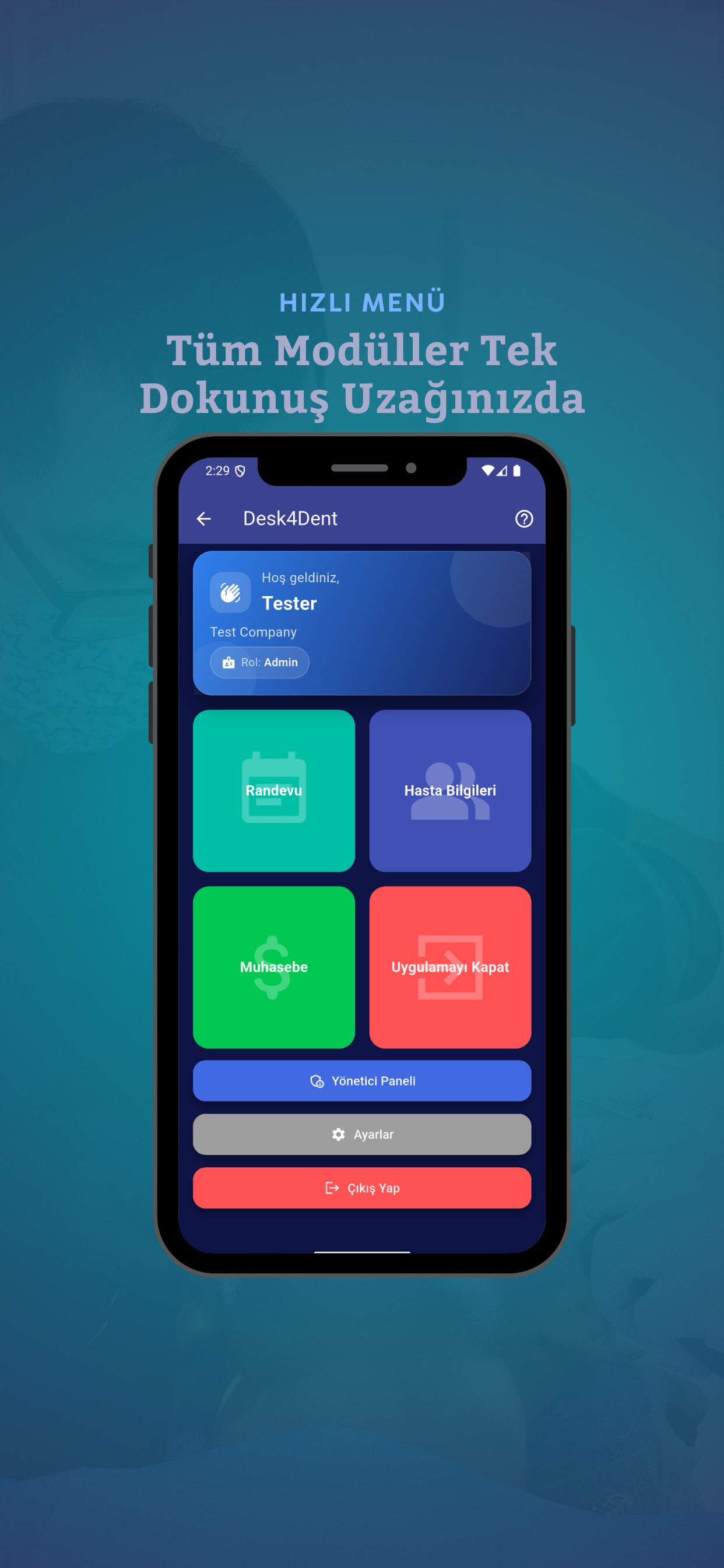
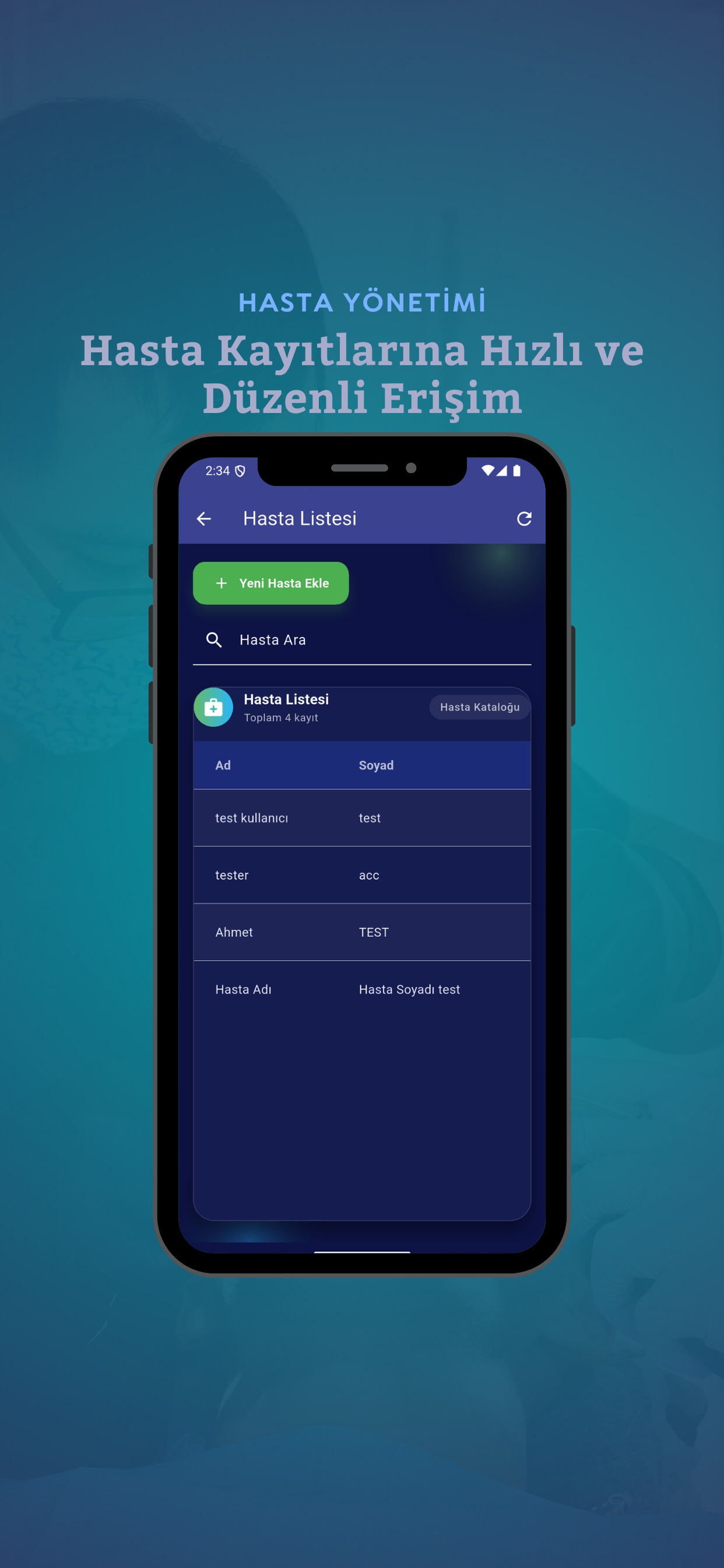
Project overview
What this product is and where I contributed.
A role-aware clinic operations product for patient records, appointments, treatment workflows, accounting, and notifications.
Problem & context
Turn a busy clinic into a legible daily workflow.
A clinic team has to move between patient records, appointments, treatment work, staff responsibilities, and accounting context without losing track of the next action. The official product description frames Desk4Dent as a central mobile operations application for those workflows.
The product is used in real clinic operations. This case study describes the engineering boundaries and operational workflows without exposing patient data, client infrastructure, or private source code.
Scope & ownership
Build the mobile workflow around the team’s real sequence of work.
My recorded contribution covers Flutter interfaces over Supabase Auth, PostgreSQL, and RLS-backed company isolation, together with role-aware workflows, appointment notifications, patient records, treatment flows, and accounting workflows.
The scope is presented as mobile product engineering within a client delivery. It does not claim ownership of clinic policy, patient outcomes, or every operational decision made by the business.
Architecture & decisions
Make tenant and role boundaries visible in the product model.
The public-safe architecture story is a Flutter client connected to Supabase Auth and PostgreSQL, with RLS-backed company isolation and role-aware screens. Notification device tokens support appointment reminders, while Riverpod keeps application state organized at the interface layer.
This structure keeps a sensitive workflow behind explicit access boundaries. The website omits schema names, internal endpoints, credentials, and personal records so the case study remains useful without becoming an infrastructure disclosure.
Engineering challenges
Operations become technical when every state has a consequence.
The engineering challenges sit at the intersection of access, scheduling, and records:
- Company isolation had to be enforced at the data-access layer, not only hidden in the interface.
- Admin, dentist, assistant, and other role paths needed different permissions without duplicating the entire application.
- Appointment and treatment state had to remain legible while patient records and accounting context stayed connected.
- Device-token storage and notification flows connected operational events to timely reminders without exposing private notification infrastructure.
Reliability & delivery
The useful measure is whether the workflow survives a real day.
Desk4Dent is listed as in active use by the project record, and its public store description covers clinic operations, multi-user roles, reminders, and accounting context. The case study does not add customer counts, efficiency percentages, or patient outcomes that are not independently published.
Reflection
Good operational software reduces decisions at the wrong time.
Desk4Dent reinforced that a professional interface is not only about visual polish. It is about making the next safe action visible while access, data, reminders, and business rules remain consistent underneath.
Evidence & links
What can be checked publicly.
- Clinic workflows include patients, appointments, treatment, accounting, reminders, and roles. Official App Store and Google Play descriptions. Official product listing
- RLS-backed company isolation and Supabase/PostgreSQL integration. Engineering summary; private implementation details withheld. Engineering summary
- Active-use context. Project record notes current use by the named dental clinic; no patient data is published. Engineering summary